English
 中文 (中国)
Whoa! I stumbled into this thinking a browser-based Phantom would be a tiny convenience. Seriously? It turned out to be a lot more — and also a lot messier than I expected. My instinct said “fast, simple, done” when I first tried a web build, but something felt off about the UX and the security prompts. Initially I thought a web wallet would just mirror the extension, but then I noticed subtle permission differences and flow interruptions that made me pause.
Okay, so check this out — browser wallets for Solana let you interact with dApps without installing a native extension, which sounds great for onboarding non-crypto folks. Medium sentence here: the barrier drops when users can click a link and connect right away. Longer thought: but ease of access can be a double-edged sword, because the instant gratification of connecting through a web page sometimes obscures the need for careful URL verification, hardware wallet pairing, and seed handling, and that leads to risks that even experienced users underestimate.
Here’s what bugs me about some web wallet implementations: the permission modals often feel generic, and they sometimes bundle multiple actions under one approval. Hmm… that nudges users into approving things they might not fully read. On the other hand, a well-designed flow can educate users during staking, by showing expected rewards, cooldowns, and validator reputation — though actually building that takes thought and effort.
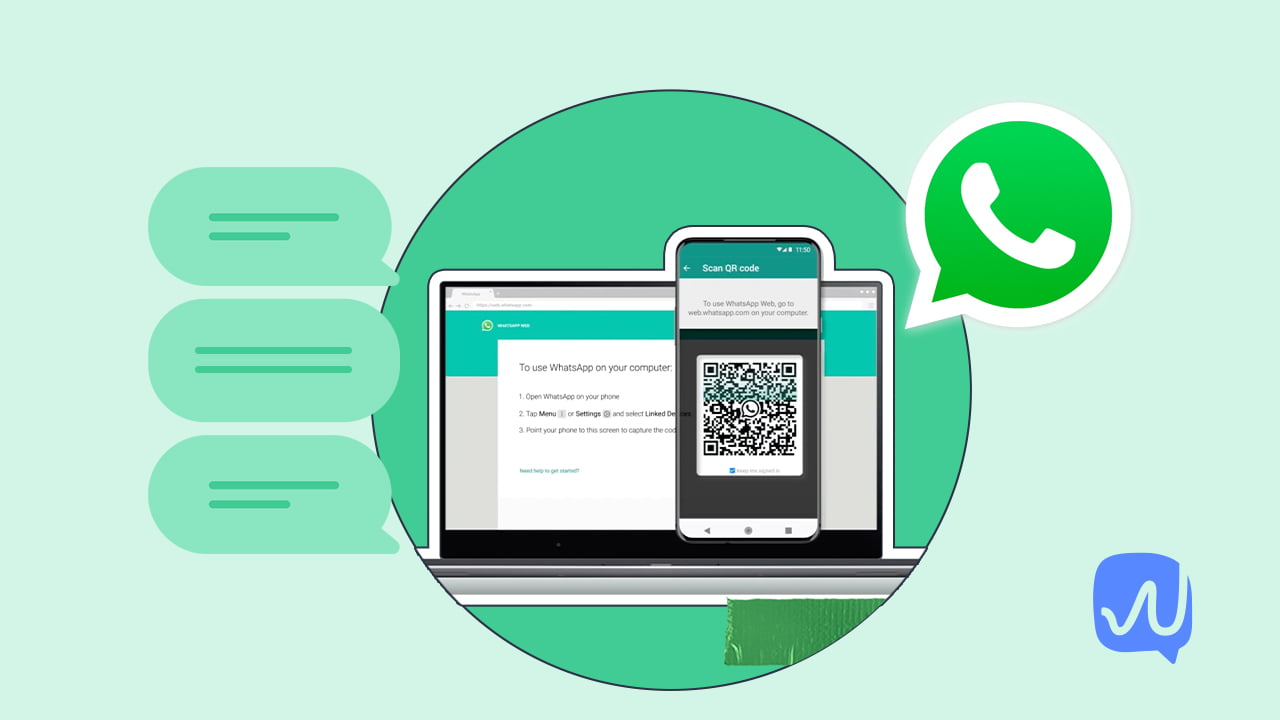
How a web Phantom wallet flow typically works and what to check
First step: account creation or import. Short and simple: save your seed. My gut reaction said, “Don’t skip that.” Then the details matter — does the web wallet offer a downloadable encrypted backup, or only a copy-paste seed in plain text? That distinction feels small until you need to recover an account on a new device. I’m biased toward hardware-backed keys, but I get why people use web flows for convenience.
Second step: connecting to dApps. Most web implementations inject a connection prompt similar to an extension. Medium sentence to clarify: always read what you’re allowing. Longer sentence: if the prompt requests generic account access, that might be fine, but if it asks for transaction signing across arbitrary sites, pause and verify the origin because cross-site scripting and copycats can mimic the interface and harvest approvals.
Third: staking SOL. The mechanics don’t differ much whether you’re using a web or extension wallet — stake accounts, delegated instructions, and the 2-epoch activation timeline remain the same. Still, the UX can change the mental model for users, so the wallet should show how long funds are illiquid and what unstake penalties or cool-downs exist (spoiler: Solana unstaking is straightforward but not instant). Oh, and by the way, validator choice matters; reputation and commission vary widely.
When I first walked through staking via a browser wallet, I liked the simplicity. But then I re-ran the flow while watching network traffic and noticed extra API calls that weren’t obviously necessary. Hmm — that raised a red flag. My working theory became: some web wrappers use middle-layer services for convenience, and those services can add attack surfaces or privacy leakages.
Practical checklist for safely staking SOL from a browser wallet
Short tip: verify the URL. Seriously. Then check the certificate if you’re suspicious. Medium: prefer wallets that let you pair a hardware device like a Ledger or Solflare with the web session. Long: pairing a hardware key dramatically reduces risk because even if a web page asks to sign a transaction, the private key never leaves the device, and the user can visually confirm the transaction on the hardware screen, which is huge for security.
Do this before you stake: confirm the validator identity, check commission rates, review recent performance (skipped epochs matter), and avoid single-validator concentration if you want decentralization. I’m not 100% sure about one-size-fits-all strategies, but diversifying stake is a sane default for most people. Also, if a staking flow asks you to “auto-compound” by signing recurring transactions, be cautious — recurring permissions can be abused if the backend changes.
Integrating with dApps — pros and cons
Browser wallets make it frictionless to use DeFi and NFT sites. That is the pro. The con is that malicious dApps can spoof legitimate ones or ask for signatures that look harmless but actually authorize token approvals. My experience taught me to open a second tab with the validator or dApp’s official domain (or check a trusted aggregator) before approving anything. Short interruption: this is very very important.
Also, consider privacy. Web wallets often rely on third-party indexers to display balances and token metadata, which can leak information about your holdings to external services. Medium sentence: some users won’t care, but privacy-conscious folks should check what telemetry the wallet sends. Longer: if the wallet connects to a non-self-hosted RPC or uses public analytics, your on-chain activity might be correlated with off-chain identifiers, which reduces plausible deniability.
A natural place to try a web build
If you want to experiment with a web interface for a Phantom-like experience, try the link below as a starting point for testing in a sandbox environment, and treat it as a read-only trial unless you can confirm security measures and code provenance. phantom wallet
I’ll be honest: web wallets are getting better fast. They can onboard non-technical users without forcing an extension install, which is huge for growth. Yet they also compress risk vectors and push users toward decisions they might not fully understand. Initially I thought those trade-offs were acceptable, though after digging deeper I now see edges that demand caution.
One practical routine I use: create a test account with a small amount of SOL, run through the flow, verify every signature on hardware when possible, and only then move meaningful funds. It’s kind of tedious. But it’s also the easiest way to learn how a specific web implementation behaves in the wild, and it often uncovers surprising prompts or network calls.
FAQ
Is staking from a browser wallet less secure than staking from an extension?
Not inherently. The security depends on how keys are managed. If the web wallet stores private keys in the browser storage without hardware support, that is weaker than a properly secured extension tied to a ledger device. However, a web wallet that supports hardware pairing and transparent RPCs can be as secure as an extension — the devil’s in implementation details.
How do I avoid phishing when using a web wallet?
Short and sweet: only use trusted domains and double-check certs and URLs. Use a hardware key when possible. Monitor the requested transaction payload before signing. Longer answer: consider browser isolation (a dedicated browser profile), avoid clicking wallet links from unknown chats, and compare the dApp’s requested transaction to known expected behaviors; suspicious metadata, unusual instruction counts, or unknown program IDs are reasons to stop.